Understanding Smart Home Technology in 2026
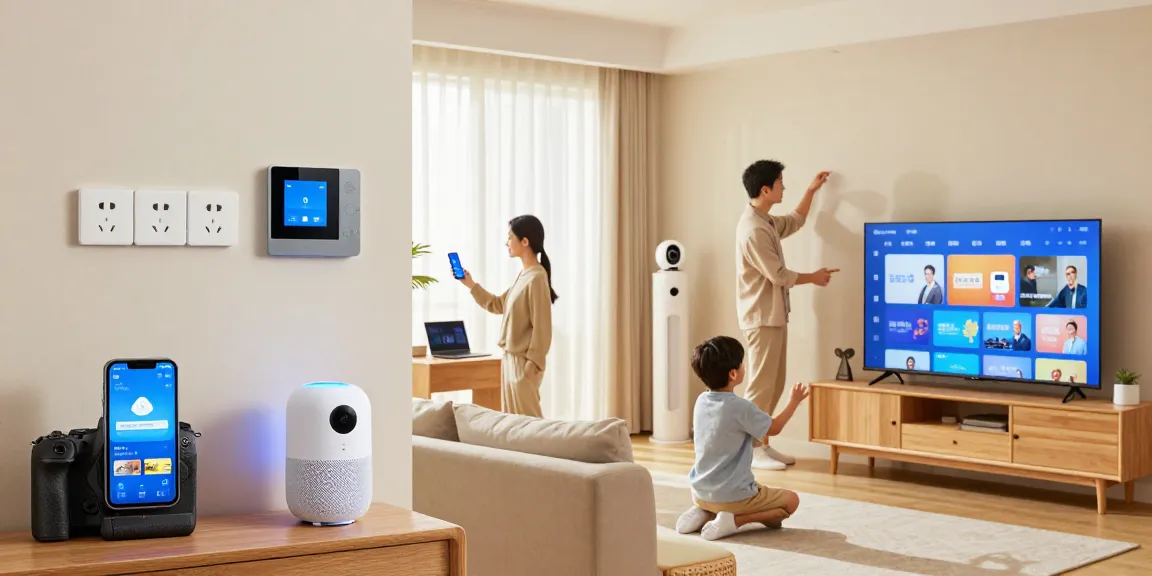
As we advance deeper into the 2020s, smart homes are transitioning from early adopters to mainstream households, reshaping how we interact with our living spaces. In 2026, the landscape of smart home technology is characterized by a seamless integration of devices that enhance convenience, security, and energy efficiency. As homeowners increasingly seek devices that streamline daily tasks and promote sustainability, understanding what defines the best smart home gadgets 2026 becomes essential. This article explores the features, trends, and recommendations that define today’s leading smart home devices.
What Defines the Best Smart Home Gadgets?
The best smart home gadgets are those that not only provide innovative solutions but are also user-friendly, reliable, and capable of interconnecting with various platforms. Key criteria include:
- Usability: Devices should be easy to install and operate, catering to users of all tech levels.
- Interoperability: The ability to seamlessly connect with existing home networks and other smart devices is critical.
- Security: Enhanced security features to protect user data and privacy are paramount.
- Energy Efficiency: Smart gadgets should contribute to energy savings and lower utility bills.
- Support and Updates: Ongoing support and software updates enhance functionality and security over time.
The Importance of Interconnectivity and Compatibility
As the number of smart devices in homes grows, the demand for seamless interconnectivity has never been higher. Gadgets that operate on different platforms can pose challenges, leading to compatibility issues and fragmented user experiences. To streamline operations:
- Choose devices that support popular ecosystems like Amazon Alexa, Google Assistant, and Apple HomeKit.
- Look for gadgets that employ open standards like Matter, which simplifies device compatibility across different manufacturers.
- Prioritize systems that allow for easy updates and integrations over time, ensuring longevity.
Top Trends in Smart Home Gadgets for 2026
The smart home industry is rapidly evolving, with several notable trends emerging as we progress through 2026:
- AI and Machine Learning: Devices are becoming smarter with AI-powered functionalities that learn user preferences and habits, leading to personalized automation.
- Health Monitoring: More gadgets are incorporating health-related features, such as air quality monitors and smart scales, contributing to overall wellness.
- Solar Integration: An increase in solar-powered devices reflects a growing eco-conscious consumer base, allowing for sustainable energy solutions.
- Security Enhancements: Innovations such as facial recognition, advanced motion sensors, and AI-driven surveillance cameras provide improved safety solutions.
Top Smart Home Gadgets to Enhance Everyday Living
Innovative Smart Speakers Revolutionizing Home Experience
Smart speakers have set the foundation for home automation, serving as both a control hub and a medium for entertainment. Some leading models include:
- Amazon Echo Studio: This device offers superior sound quality along with smart home integration capabilities.
- Google Nest Audio: Known for its impressive voice recognition and integration with Google services, it enhances both productivity and leisure.
- Apple HomePod mini: This offers a sleek design with Apple’s signature sound quality and privacy features.
Smart Lighting Solutions that Save Energy and Add Style
Smart lighting is a fantastic way to improve ambiance and energy efficiency. Notable options include:
- Philips Hue: This system provides a wide range of colors and automation options, allowing users to set scenes based on their mood.
- Wyze Bulbs: A budget-friendly alternative that offers high-quality smart lighting features without breaking the bank.
- GE C by GE: Known for its easy setup and connection with various smart ecosystems, this lighting solution is versatile and dependable.
Advanced Home Security Features for Peace of Mind
The advancements in home security technology have made it easier to monitor and protect homes. Essential gadgets include:
- Ring Video Doorbell Pro 3: This device provides high-definition video footage and two-way audio for enhanced security monitoring.
- August Smart Lock Pro: Allowing keyless entry, this smart lock integrates with existing deadbolts, offering convenience and peace of mind.
- Arlo Pro 4 Security Camera: Known for its weatherproof design and clear video output, this camera features advanced motion detection and alerts.
Smart Home Automation: Benefits and Challenges
Streamlining Daily Tasks with Automation
Smart home automation can significantly simplify daily tasks. By programming devices to perform specific actions, homeowners can enjoy:
- Time Savings: Automating routine tasks such as turning on lights, adjusting thermostats, and locking doors saves time.
- Efficiency: Automation allows for energy savings through smart scheduling, ensuring devices only operate when necessary.
- Enhanced Comfort: Features like smart thermostats adjust temperatures based on preferences, creating a more comfortable living environment.
Common Obstacles in Smart Home Setup
Despite the benefits, there are challenges homeowners may face when setting up smart systems:
- Complex Installation: Some devices may require advanced technical skills or professional installation.
- Compatibility Issues: New devices may not always work seamlessly with older technology, leading to frustrations.
- Security Concerns: With increased connectivity comes the potential for cybersecurity threats; hence choosing reputable brands with robust security protocols is essential.
Best Practices for Seamless Integration
To ensure a better smart home experience, follow these best practices:
- Begin with a strong, reliable Wi-Fi network to support multiple devices.
- Gradually integrate devices, starting with a few key gadgets, and expand as comfort levels increase.
- Regularly update the firmware of all devices to maintain security and performance.
Choosing the Right Smart Home Devices for Your Needs
Evaluating Your Home’s Infrastructure and Compatibility
Before investing in smart home technology, evaluate your existing infrastructure to determine compatibility. Consider factors like:
- Wi-Fi coverage and speed across your home to ensure all devices operate effectively.
- The current type of lighting and electrical systems for compatibility with smart gadgets.
- Your lifestyle and needs—do you prioritize security, entertainment, or energy management?
Budget-Friendly Smart Gadgets That Deliver Value
Budget constraints shouldn’t limit your entry into smart home technology. Look for cost-effective solutions that offer quality and functionality:
- Smart Plugs: Simple yet effective, smart plugs turn regular devices into smart ones.
- Smart Bulbs: These can be affordable alternatives to full smart lighting systems while providing customizable options.
- Smart Thermostats: Energy-efficient solutions like the Nest Thermostat often pay for themselves through energy savings.
Expert Recommendations for the Best Smart Home Gadgets 2026
With many options available, here are expert recommendations to consider:
- For security: Consider the Wyze Cam v3 for budget-friendly monitoring with excellent features.
- For convenience: The Roborock S7 vacuum allows for automated cleaning, saving time while ensuring cleanliness.
- For connectivity: The TP-Link Kasa Smart Wi-Fi Plug is an essential tool for integrating various devices.
Future of Smart Homes: What to Expect Beyond 2026
Emerging Technologies in Smart Home Devices
Looking beyond 2026, several technologies are set to redefine smart homes:
- Enhanced AI Capabilities: Future devices will utilize deeper AI integrations for predictive automation based on user behavior.
- Robotic Assistance: Advances in robotics may lead to personal assistants that handle various physical tasks around the home.
- Augmented Reality Interfaces: AR may provide users with new ways to interact with their smart gadgets, enhancing usability.
Predictions for Smart Home Ecosystems in 2026 and Beyond
The growth of smart home ecosystems will likely see:
- More standardization across platforms, allowing devices from different brands to work together more fluidly.
- Increased emphasis on sustainability, with more devices featuring energy-saving designs and materials.
- Heightened user focus on data privacy, compelling manufacturers to adopt stringent security measures.
Preparing Your Home for Future Technological Advances
To prepare for the future of smart homes, homeowners should consider:
- Investing in a robust Wi-Fi network capable of handling multiple connected devices.
- Staying informed about emerging smart technologies and considering upgrades as they become available.
- Engaging in regular maintenance and updates to existing devices to prolong their usability.
What are the most popular smart home gadgets of 2026?
As technology evolves, popular gadgets will likely include advanced smart speakers, energy-efficient smart thermostats, and robust home security systems, providing users with convenience and enhanced living experiences.
How to integrate new smart home devices effectively?
Integration can be effectively achieved by ensuring all new devices are compatible with your existing ecosystem, utilizing a central hub for easy management, and following manufacturer setup guidelines closely.
What are the security considerations for smart gadgets?
Security considerations should include ensuring devices have strong authentication processes, keeping firmware updated, and using secure Wi-Fi networks to mitigate hacking risks.
How do smart home devices enhance energy efficiency?
Smart devices optimize energy usage through real-time monitoring and automation, allowing homeowners to reduce consumption and lower their energy bills.
What should I look for when purchasing smart home gadgets?
Look for compatibility with your existing systems, user-friendly interfaces, reliability, and ongoing manufacturer support when selecting smart home devices.