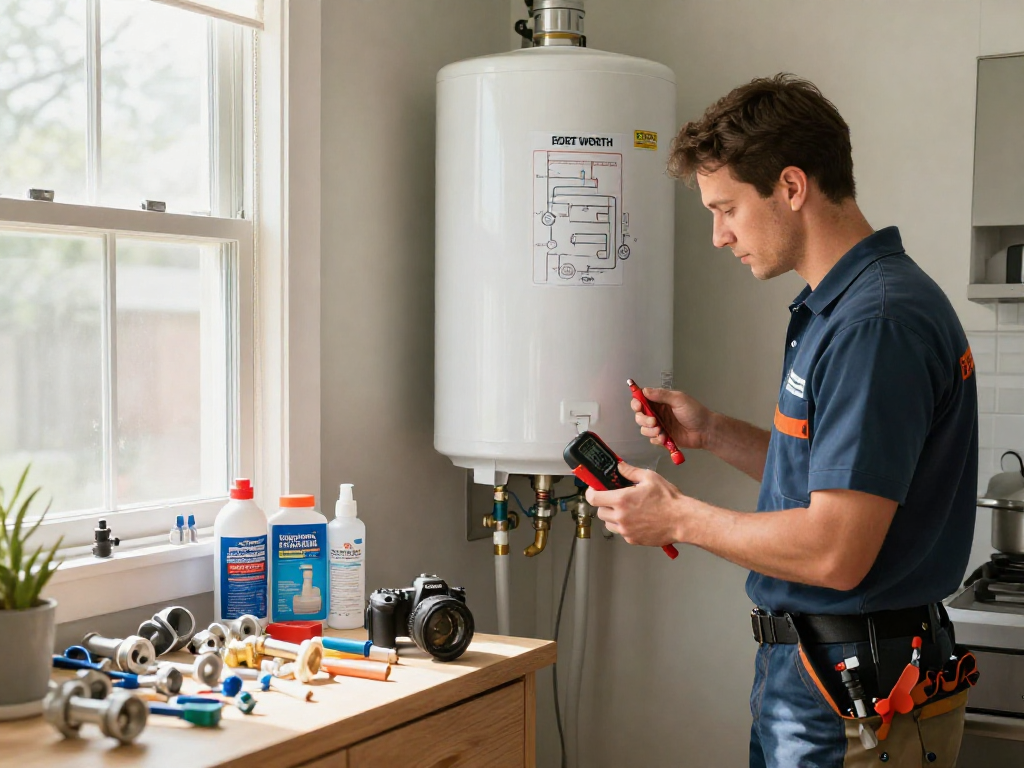
Understanding Your Plumbing Needs
Every homeowner in Fort Worth recognizes the critical role that plumbing plays in maintaining a comfortable and functional living environment. From addressing minor leaks to managing complex sewer systems, understanding your plumbing needs is essential for ensuring your home runs smoothly. When exploring options, plumber Fort Worth offers comprehensive insights and services to tackle various plumbing issues effectively.
Identifying Common Plumbing Problems
Common plumbing issues can significantly disrupt daily life, leading to inconvenience and potential damage if not addressed promptly. Some prevalent problems include:
- Clogged Drains: Residue buildup in pipes can lead to slow drainage or complete blockages.
- Leaky Faucets: Frequent dripping can waste water and increase your utility bills.
- Running Toilets: A toilet that runs continuously can indicate a problem that requires immediate attention.
- Low Water Pressure: This can signal leaks or buildup within your pipes, possibly requiring professional diagnosis.
- Water Heater Issues: Problems like inconsistent heating or strange noises often signal that your water heater needs servicing.
When to Call a Professional Plumber Fort Worth?
While some plumbing tasks may seem manageable for a DIY enthusiast, knowing when to call in a professional is crucial. It's advisable to contact a certified plumber when:
- You're facing recurring plumbing issues.
- You experience a plumbing emergency, such as a burst pipe or severe leak.
- You're unsure how to safely address a problem without risking damage.
- You need installation or upgrades for your plumbing system.
Assessing Your Home's Plumbing System
A thorough assessment of your plumbing system is vital for identifying potential issues before they escalate. Regular inspections can help maintain the integrity of your plumbing, ensuring that all aspects function efficiently. Homeowners should consider:
- Checking for signs of leaks or water damage in visible areas.
- Monitoring water bills for any unexpected increases that could indicate leaks.
- Assessing the age and condition of plumbing fixtures and piping.
- Ensuring that all plumbing installations meet local codes and standards.
Evaluating Plumber Qualifications
Finding a qualified plumber is essential to ensure quality service and peace of mind. Homeowners should evaluate a plumber's qualifications based on multiple factors:
Licensing and Insurance: Why It Matters
Before hiring a plumber, confirm that they are licensed and insured. A license demonstrates that the plumber has met the necessary training and competency requirements, while insurance protects both the homeowner and the plumber in case of accidents or damages during the job.
Experience and Specialization in Residential Plumbing
Experience matters significantly in plumbing. Look for plumbers who specialize in residential services, as they often have a deeper understanding of typical home plumbing systems and the unique challenges that may arise. An experienced plumber can provide faster diagnostics and more effective solutions.
Customer Reviews and Testimonials: What to Look For
Online reviews can offer insights into a plumber’s reliability and quality of service. Look for patterns in feedback regarding professionalism, punctuality, and the completeness of work performed. Positive testimonials and high ratings can signal that you’re selecting a reputable service provider.
Transparent Pricing Practices
Understanding pricing is essential for avoiding unexpected costs in plumbing services. Transparent pricing practices ensure that homeowners know what to expect financially before work begins.
What Is Clear Up-Front Pricing?
Clear up-front pricing involves providing customers with a detailed estimate before any work is commenced. This approach helps homeowners understand the costs associated with specific plumbing services, including any potential fees for parts or labor.
Understanding Diagnostic Fees and Additional Costs
Many plumbing companies charge diagnostic fees for initial inspections and troubleshooting. It’s important to clarify what these fees cover and whether they apply to the total cost of service. Additionally, be sure to ask about any potential extra costs that could arise based on the condition of plumbing or parts needed for repairs.
Comparing Quotes: What Should You Expect?
When obtaining quotes from different plumbing services, ensure that you are comparing similar services. Look for detailed breakdowns that clarify labor, parts, and any ancillary fees. This practice ensures that you select a service that offers the best value for your needs.
Emergency Plumbing Services
Emergencies can arise at any time, making it essential for homeowners to know how to respond. Quick action is often necessary to prevent further damage.
Recognizing Plumbing Emergencies and Timeliness
Plumbing emergencies include situations that could cause significant damage if not addressed immediately. Common examples include burst pipes, overflowing toilets, and major leaks. Understanding the urgency of these situations can help you take prompt action.
Why Choose Local Emergency Plumber Fort Worth?
Selecting a local plumber for emergency services offers several advantages. Local plumbers are usually familiar with common issues in the Fort Worth area and can arrive promptly. They also have a vested interest in serving their community well.
Steps to Take During a Plumbing Emergency
During a plumbing emergency, homeowners should take the following steps:
- Shut off the water supply to minimize damage.
- Assess the situation and identify any visible leaks or problems.
- Contact a professional plumber immediately.
- Document the issue with photos for insurance purposes.
Long-Term Maintenance and Support
Building a long-term relationship with a trusted plumber can save homeowners time and money while enhancing the overall maintenance of their plumbing systems.
Building a Relationship with Your Plumber
Establishing a rapport with a reliable plumbing professional can foster trust and lead to better service. Regular communication allows your plumber to understand your specific plumbing needs and preferences.
Preventative Maintenance Tips for Homeowners
Preventative maintenance is key to avoiding costly repairs. Homeowners can take proactive steps, such as:
- Regularly checking faucets and toilets for leaks.
- Clearing drains of debris to prevent clogs.
- Scheduling annual plumbing inspections with a professional.
- Flushing your water heater annually to remove sediment buildup.
Signs You Need to Schedule Maintenance Now
Recognizing the signs that indicate a need for maintenance can help you avoid significant problems later. Consider scheduling maintenance if you notice:
- Unexplained changes in water pressure.
- Strange noises coming from the plumbing system.
- Persistent odors from drains or sewers.
- Frequent clogs in drains.
What Are Common FAQs?
Homeowners often have questions about plumbing services. Here are some common inquiries:
- How can I prevent plumbing issues? Regular maintenance and prompt repairs are key.
- What should I do if I suspect a leak? Contact a professional plumber to assess and repair the issue.
How to Choose the Right Plumber?
Choosing the right plumber involves assessing qualifications, reading reviews, and ensuring clear communication about pricing and services offered. Look for a plumber who understands your specific needs and provides personalized service.
What Should You Do in a Plumbing Emergency?
In an emergency, shut off the water supply, assess the problem, and contact a plumber without delay. The quicker you act, the less damage your home will sustain.
How Much Should You Expect to Pay for Services?
Service costs can vary widely based on the nature of the work, availability of parts, and labor involved. Always ask for detailed estimates to avoid surprises.
What are the Benefits of Regular Plumbing Inspections?
Regular inspections help catch minor plumbing issues before they escalate into major problems, saving you money and minimizing disruptions.
How Do I Know if My Plumbing System Needs an Upgrade?
Signs that your plumbing system may need an upgrade include frequent repairs, outdated fixtures, and changes in local codes. Consulting with a professional plumber can provide clarity on necessary upgrades.